


【Tibet Travel Guide】 Bucket list: Ride the extraordinary Qinghai-Tibet Train to Tibet


Overview
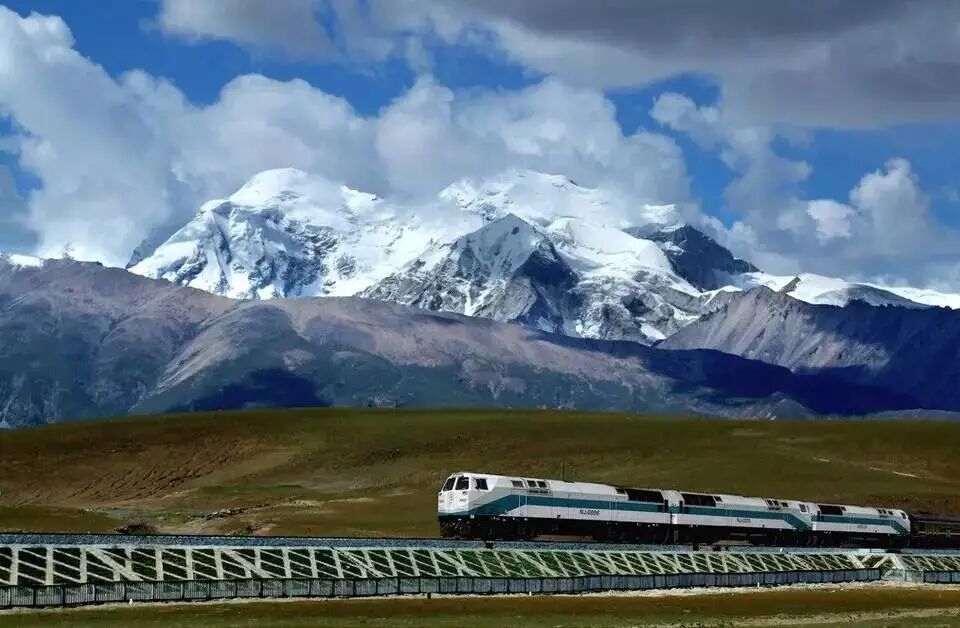
There is a magic railway through the roof of the world and known as the longest plateau railway with the highest altitude in the world - that is the Qinghai-Tibet Railway (also called Qingzang Railway) which refers to a plateau railway that connects Xining of Qinghai Province and Lhasa in Tibet.

Some Facts
The Qinghai Tibet Railway was constructed parallelly along the Beijing-Lhasa Highway (China National Highway G109).


It starts from Xining, Northwest China’s Qinghai Province, and goes southwestward through Delingha, Golumd, Chumar River (head stream of the Yangtze River), Ulan Moran (Tuotuo River) in Qinghai and enters Amdo of Tibet after passing the Tanggula Mountains and Tongtian River. The railway continues to extend southward via Tsonag Lake (Cona Lake, or Cuo’na Lake), Nagqu, Nianqing Tangula Mountains, Damxung, Yangbajain and finally terminates in Lhasa, southeast-central Tibet.


Snow-covered Mountains in Northern Tibet

1) The first section starts from Xining and ends in Golmud with a total length of 814km (506 miles).

Remarkable World Records


As the first railway getting to Tibet, it ends the previous allegation of the impossibility of building a railway across the majestic Kunlun Mountains and perfectly proves the distinguished wisdom and perseverance of Chinese people. By successfully overcoming the three major worldwide engineering technical problems, the railway has been recognized as one of the four greatest engineering projects of China in the 21st century and selected for Global Centennial Project in 2013. The spectacular landscape along the rail is its another drawcard appealing to tourists.

of the Qinghai Tibet Railway

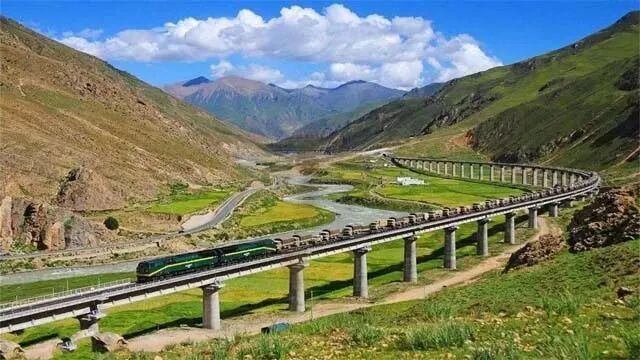
Sanchahe Bridge (elevation: over 3,800m)
in a Alpine Valley


01 - Qinghai Tibet Railway is the world’s highest plateau railway.


02 - Qinghai Tibet Railway is the longest plateau railway in the world.

03 - It has the world's longest rail mileage laid on permafrost, up to 600 km.
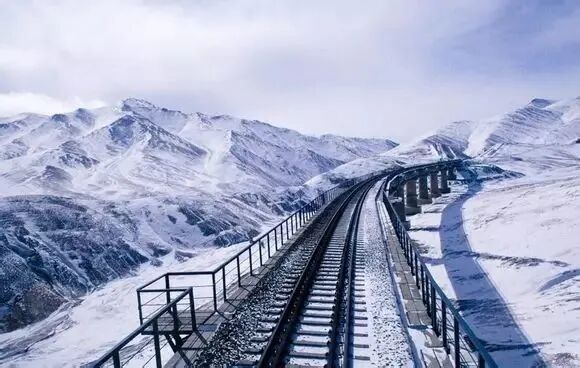
04 - It has the highest railway station in the world - Tanggulashan Railway Station which is at an elevation of 5,068 meters.

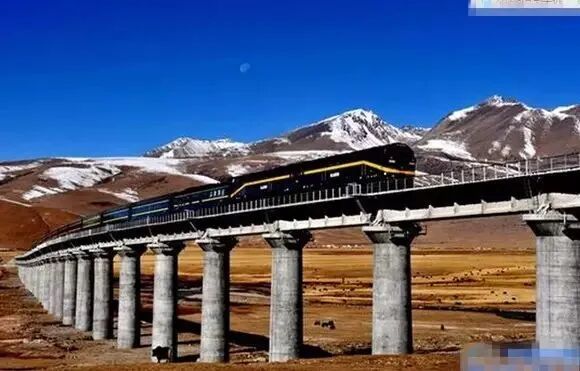
05 - It has built the world’s highest permafrost tunnel - Fenghuoshan Tunnel that sits 4,905 meter above seal level.

06 - Kunlun Mountain Tunnel on the Qinghai Tibet Railway is the longest plateau permafrost tunnel with a total length of 1,686 meters.

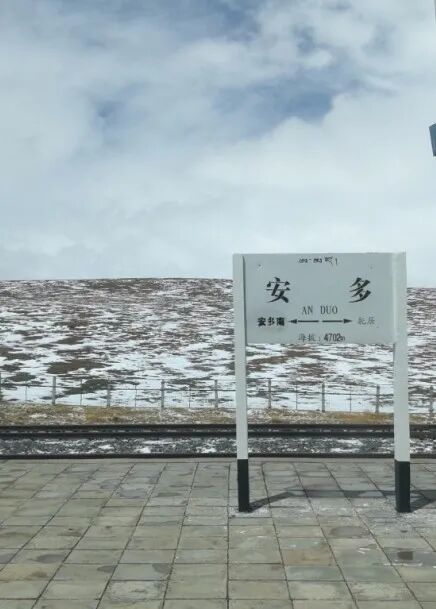
07 - It has the most elevated track-laying base in the world - Amdo Track Laying Back at an elevation of 4,704 meters.

08 - It has the longest plateau permafrost railway bridge - Qingshui River Bridge.
The bridge, 11.7 kilometers long, stretches across the Hoh Xil Nature Reserve (elevation: around 4,500 m).

09 - Trains on the Qinghai Tibet Railway runs the top speed on the plateau permafrost area over the world.
The regular running speed on permafrost sections is 100 km/h and 120 on non-permafrost grounds.

Major Stops
Here are the stops along the Qinghai-Tibet Railway, along with information about their altitude and the sceneries you can expect to see:

01
Xining
Altitude: approx. 2,275 m
Scenery: Xining is situated on the eastern edge of the Tibetan Plateau. As the starting point of the railway, you will initially see the city's urban landscape. As you venture further, you'll be treated to picturesque views of grasslands, rolling hills, and distant mountains.
 ▲train passing Qinghai Lake

Qinghai Lake - the Largest Inland Lake in China

Herd of Tibetan nomads around Qinghai Lake
02
Golmud
Altitude: Approx 2,800 m
Golmud is a gateway to the vast Tibetan Plateau. The landscape here is characterized by vast open spaces, deserts, and occasional mountain ranges. You can expect to see barren plains, sand dunes, and unique geological formations as you pass through this area.


03
Tanggula Pass
Altitude: Approx. 5,072 m
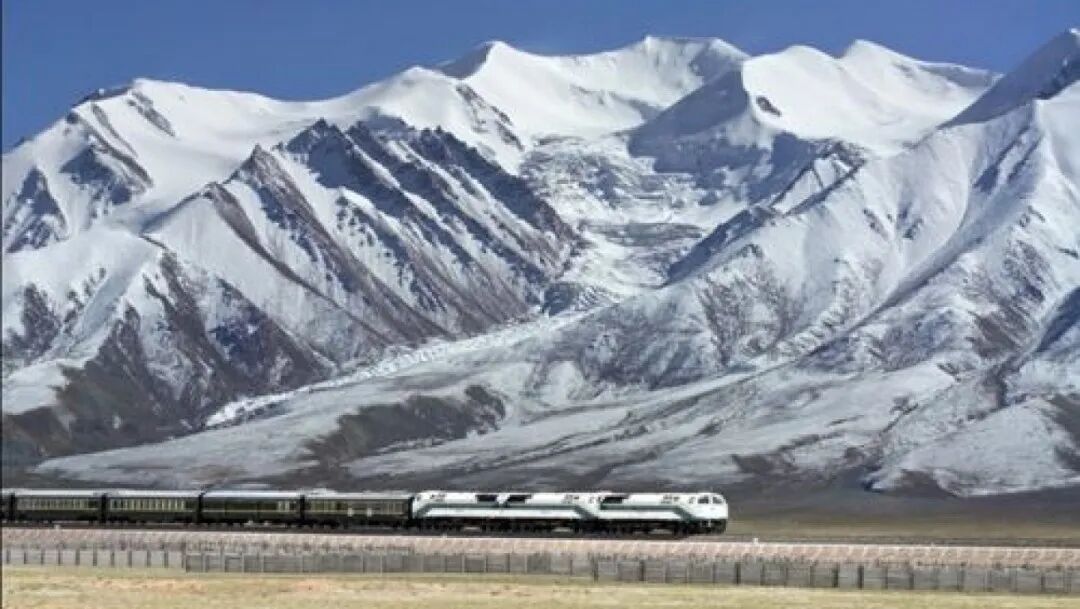
Tanggula Pass is the highest point along the Qinghai-Tibet Railway and offers breathtaking views of snow-capped peaks, vast grasslands, and winding rivers. The pass is surrounded by majestic mountains and is often covered in snow, creating a stunning panorama for passengers.

 ▲ train passing Tanggula
04
Nagqu
Altitude: Approx. 4,500 m
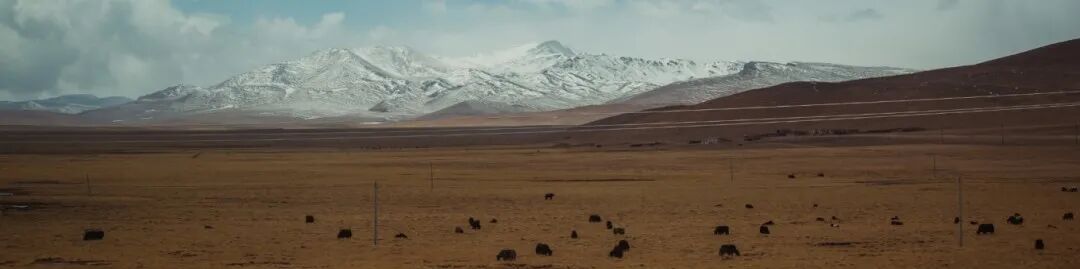
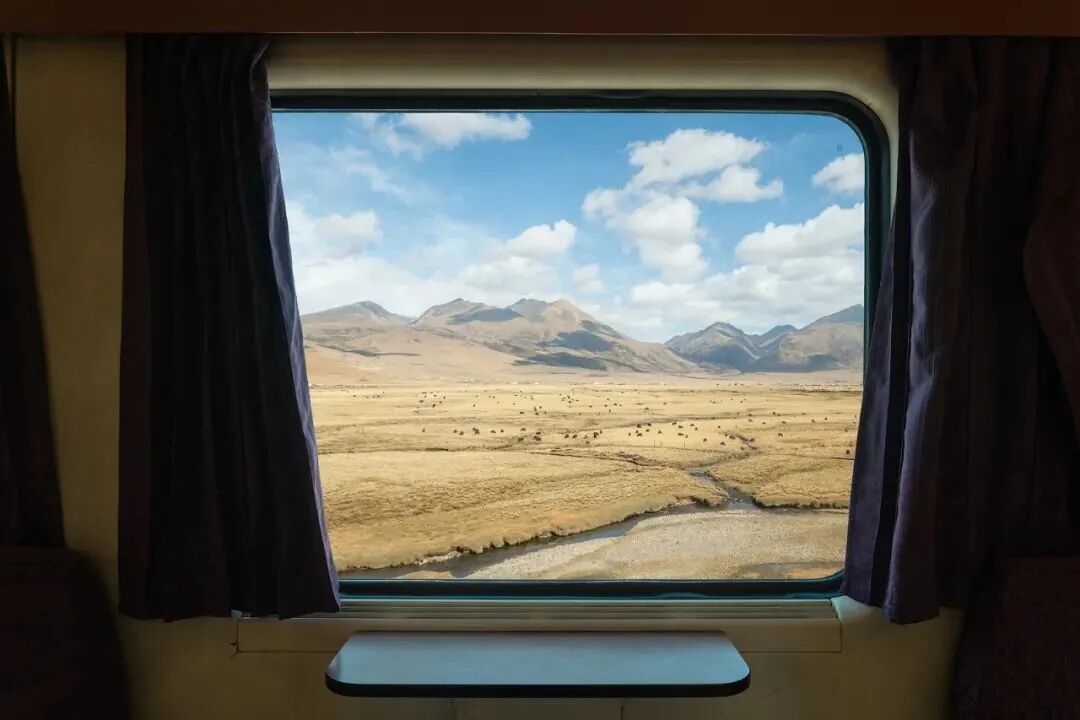
Nagqu is known for its vast grasslands and nomadic culture. As you travel through this region, you'll witness expansive grassy plains dotted with yaks, sheep, and Tibetan nomad tents. The area is also home to numerous lakes and marshes, adding to the picturesque scenery.
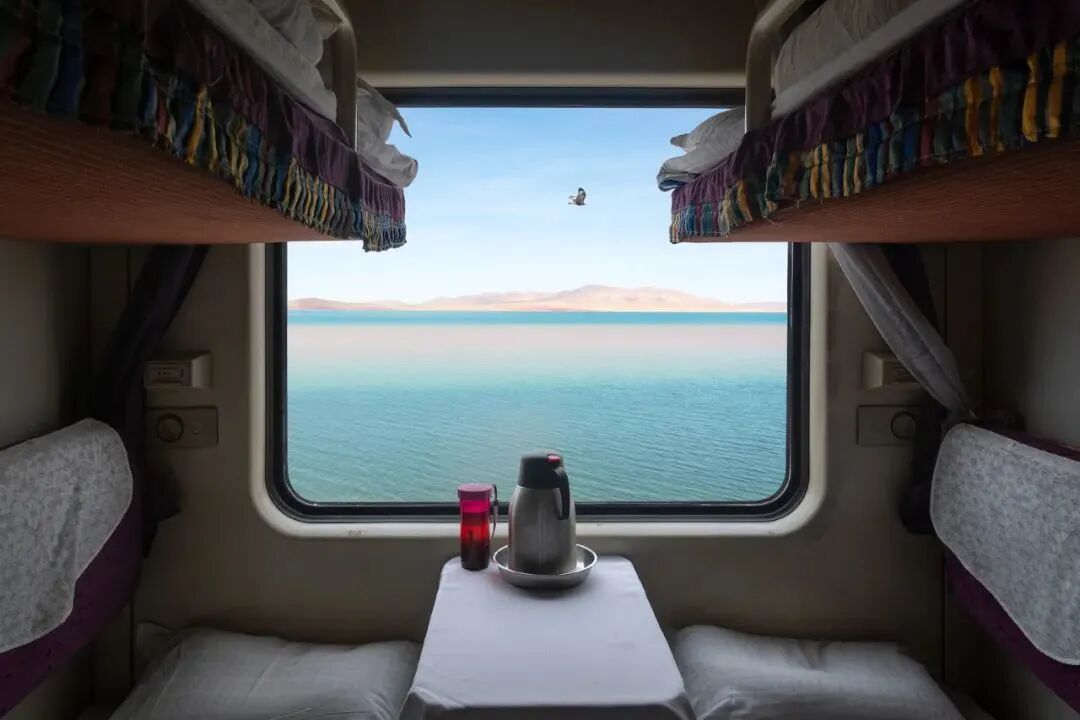
 ▲beautiful cuona lake

05
Damxung
Altitude: Approx 4,200 m

Namtso Lake
06
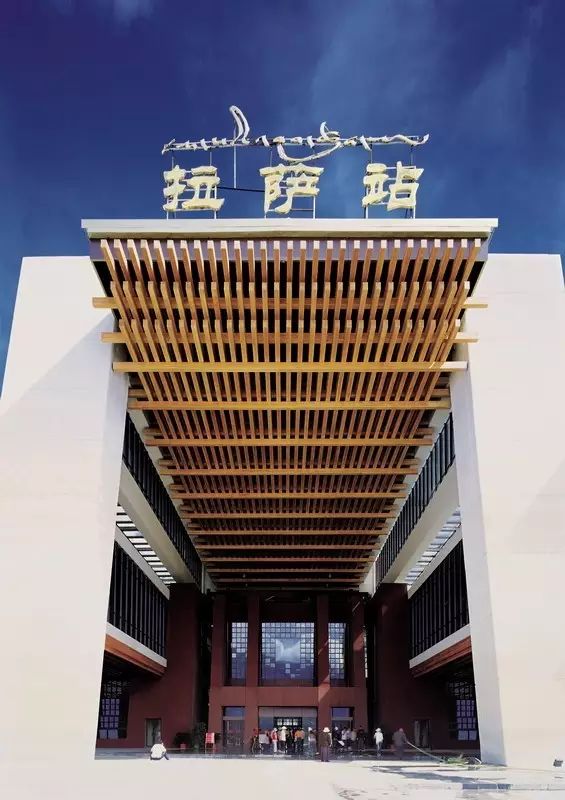
Lhasa
Altitude: Approx. 3,650 m


How Beautiful along the Way


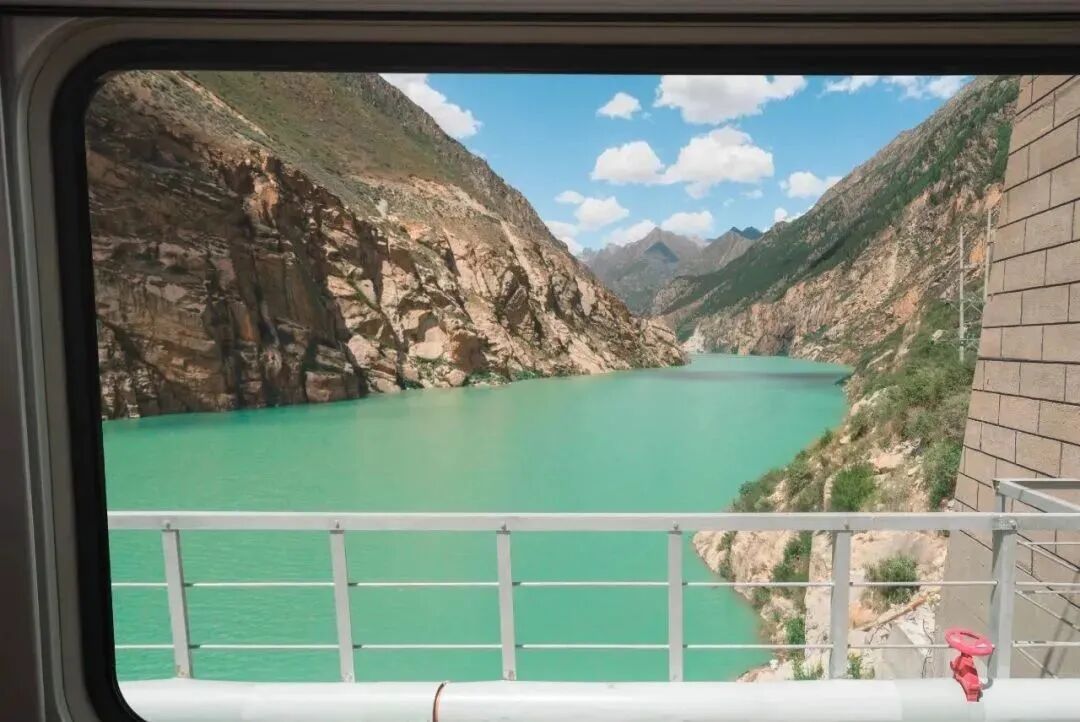


Part 1

Xining - Golmud
from Qinghai Lake to Kunlun Mountains
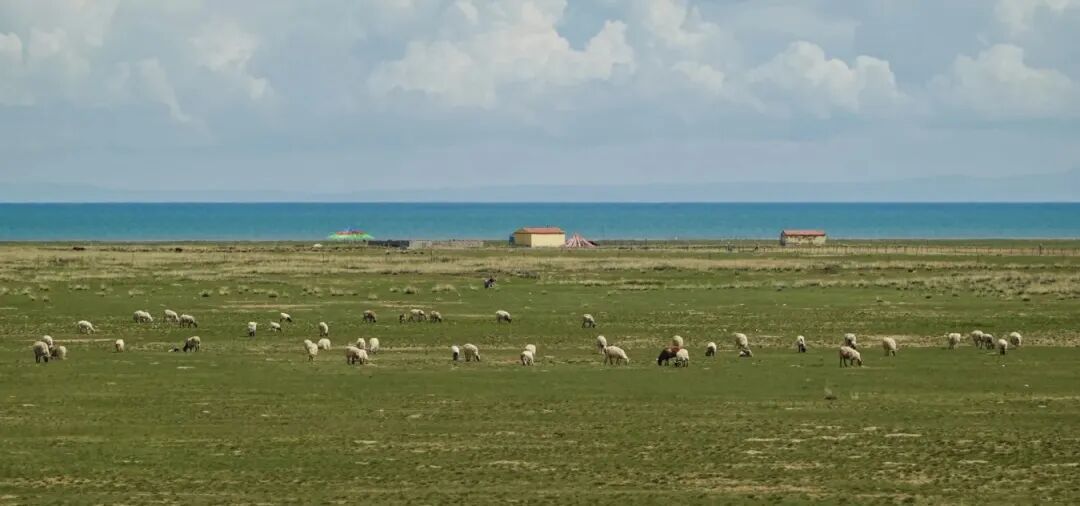
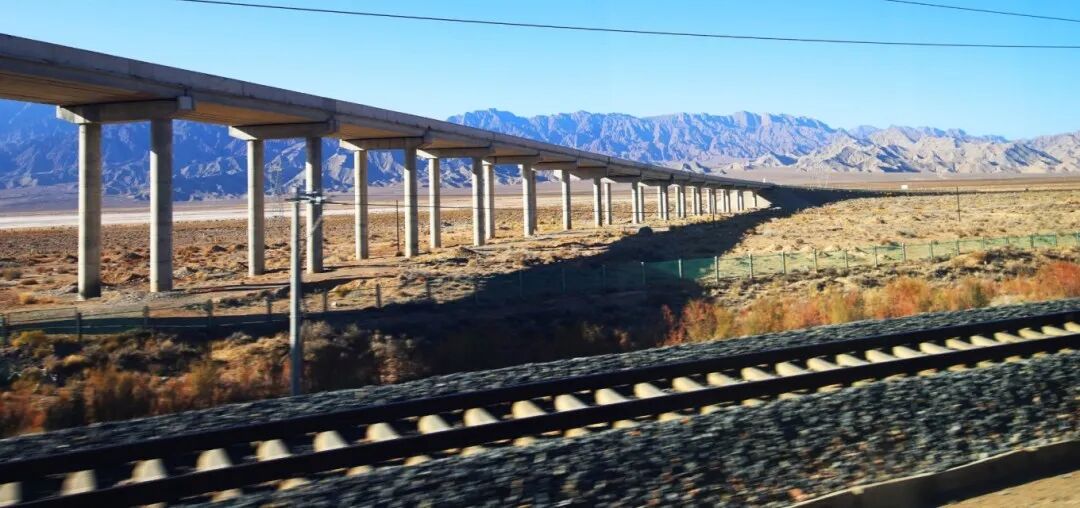
Part 2
Golmud - Tanggula Pass
Pass through Hoh Xil
After leaving Golmud, the train will begin to cross the Kunlun Mountains. You can admire the mysterious Yuzhu Peak. It’s is the highest peak in the eastern part of Kunlun Mountain. May to August is the breeding and migration season for Tibetan antelopes, during which the chances of watching Tibetan antelopes are higher.

Yuzhu Peak (elevation: 6,178 m) - the Highest Peak of the East Kunlun Mountains


If you are lucky enough, you will have a chance to glimpse the elegant posture of the Tibet antelope.

Tibetan Antelope in Hoh Xil
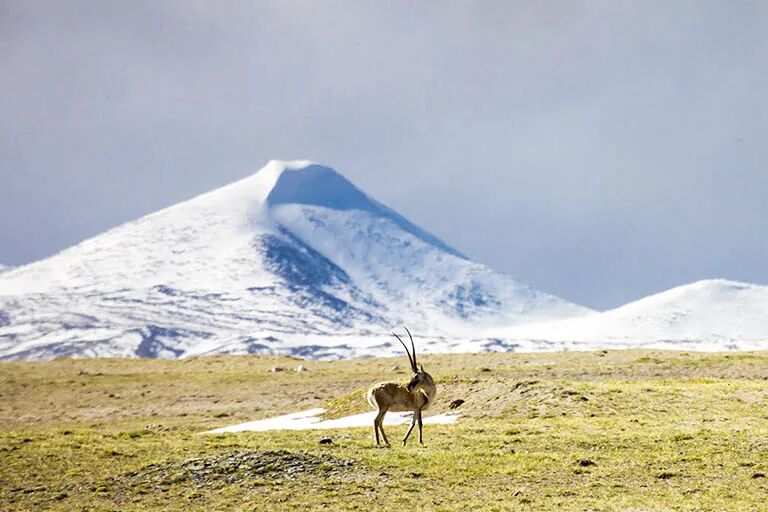
Tibetan Antelope in Hoh Xil
 ▲wild donkeys at Hoh Xil

Hoh Xil

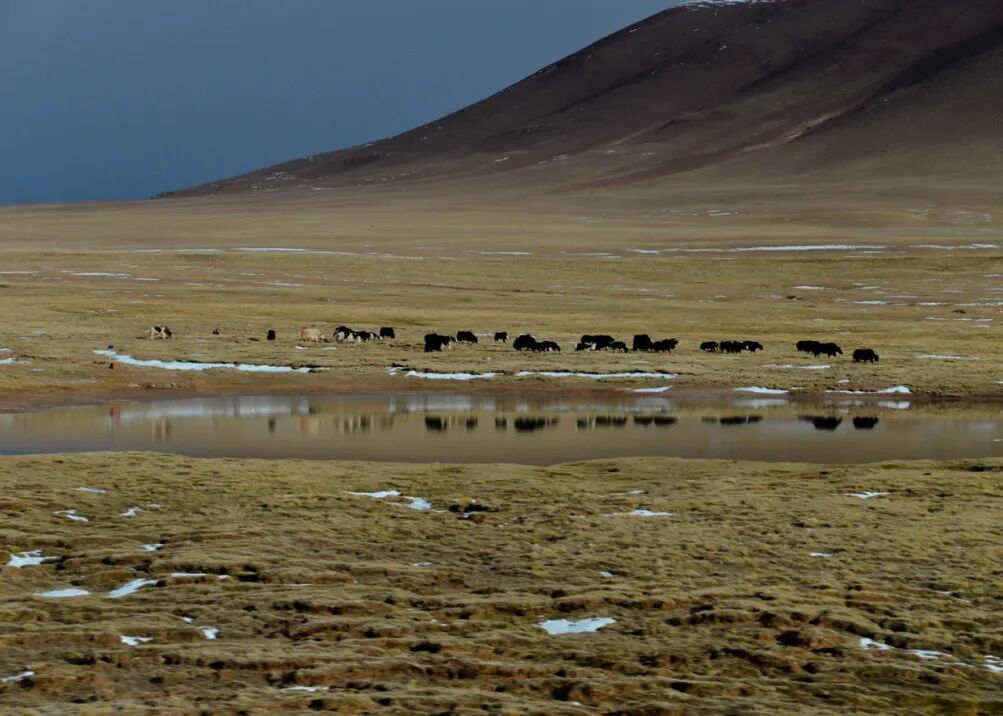

After passing through Ulan Moron River(Tuo Tuo He), the ground gradually turned into grassland, and yaks began to replace Tibetan antelopes and Tibetan wild donkeys, becoming the protagonists on the grassland.


Tanggula railway station is the highest railway station in the world with 5068.63 meters above sea level.
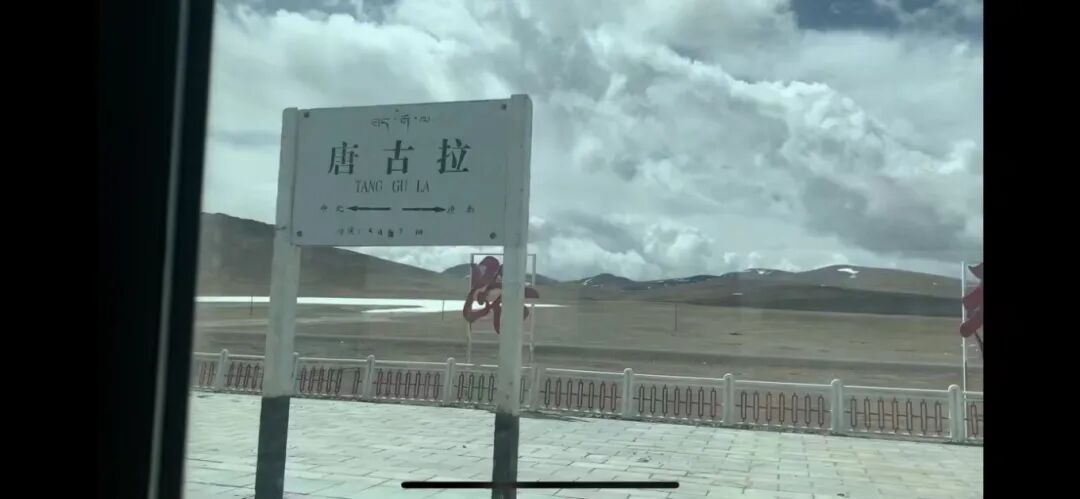
The Tanggula Mountains are the boundary between Qinghai Province and the Tibet Autonomous Region, and crossing Tanggula Mountain station is considered to be a formal entry into Tibet.

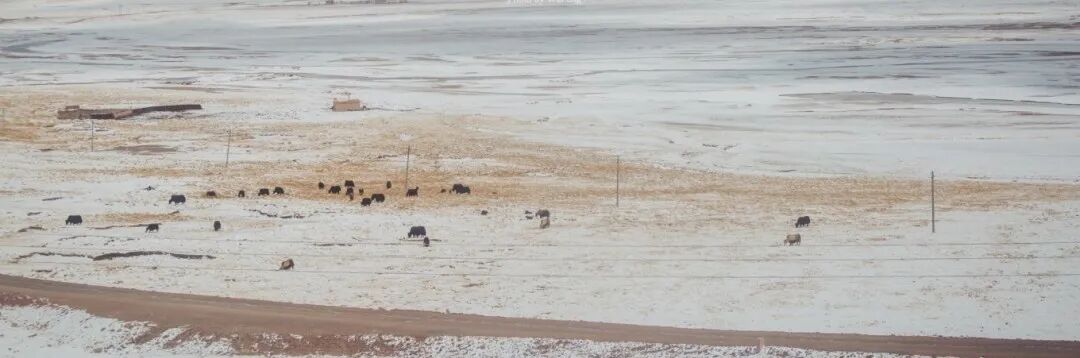

Part 3
Tanggula-Lhasa
From Qiangtang Isolation Area to Snowy Holy Land
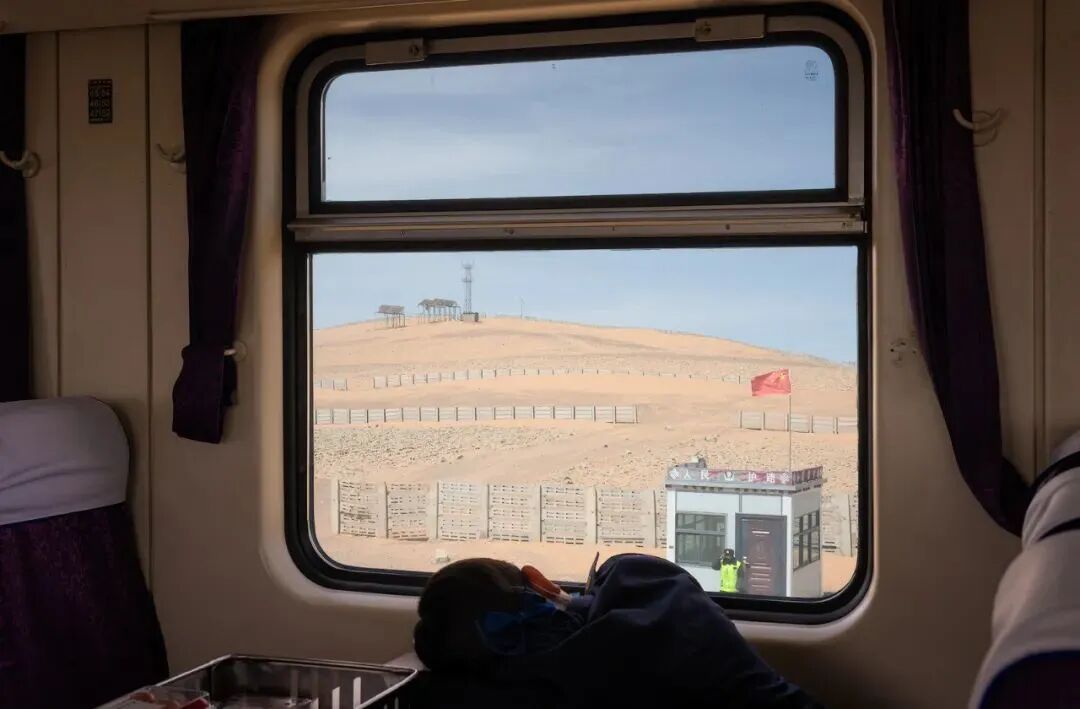
From Ando to Nagqu, the train will pass through the Qiangtang Isolation Area.
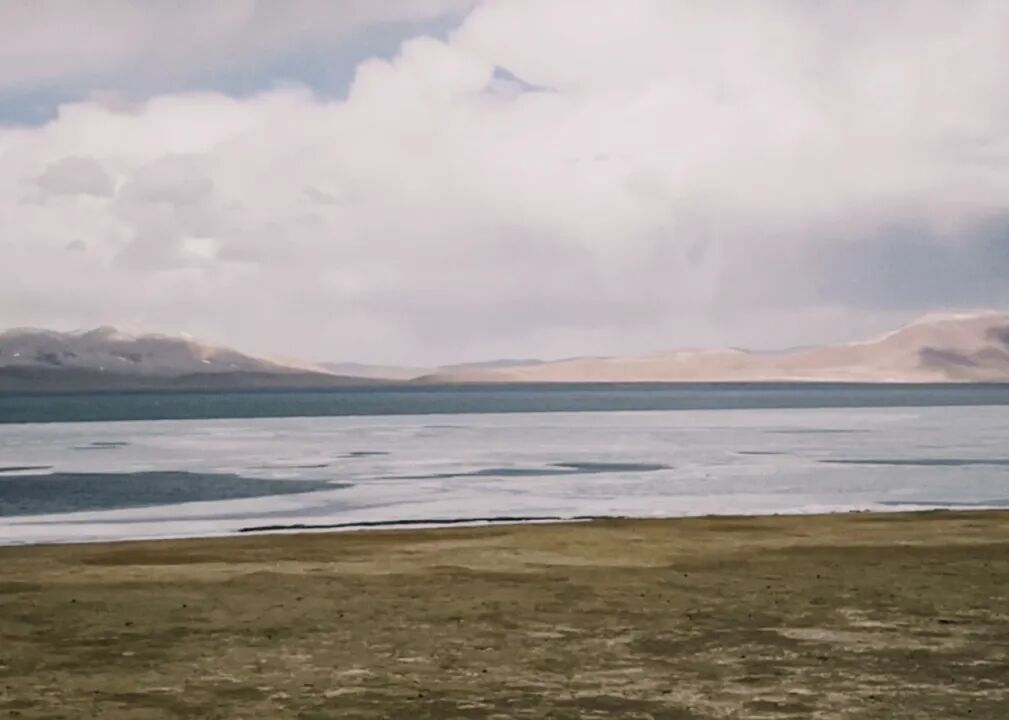
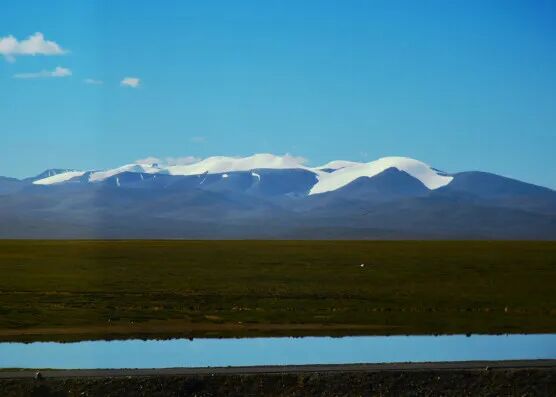
Cuona Lake, between the Nianqing Tanggula Mountains and the Kunlun Mountains, is the highest freshwater lake in the world, with an altitude of 4,800 meters. It is a pearl on the Qinghai-Tibet railway. Many believers will come here to worship!

Limpid Cuo'na Lake
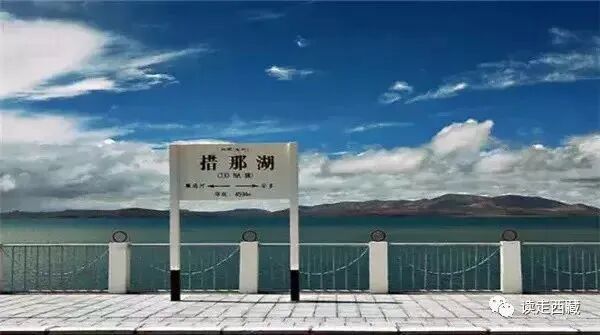
▲ Cuona Lake view from train
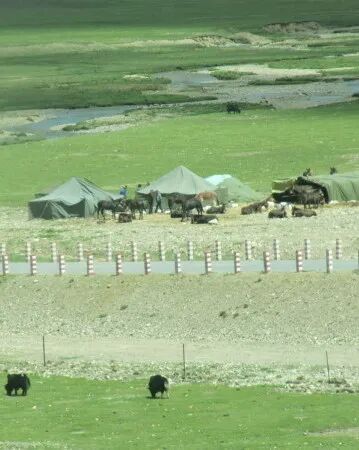
Naqu Northern Tibetan grassland

Damxung is the closest county to Namtso, but you can't see holy Namtso lake from the train. But after Naqu, you can see the continuous Nyenchen Tanglha Mountains.


Important Tips

Tips
The most beautiful scenery on the Qinghai-Tibet Railway is Part 2 + Part 3 section from Golmud to Lhasa.

| Train | dep. Xining | dep. Gulmod (next day) |
arr. Lhasa |
| Z265 |
19:43 |
03:01 | 16:56 |
| Z165 |
21:23 |
04:40 | 18:46 |
| Z6811 |
21:50 |
05:03 | 19:56 |
| Y971 |
23:20 |
06:37 | 21:30 |
(leave Xining in the evening, arrive Lhasa in the evening next day)

Train Tickets & Facilities

Train tickets to Lhasa can be bought departing several large cities in China, such as Beijing, Shanghai, Xi'an, Guangzhou, Chengdu, Chongqing, Lanzhou, and Xining.
However, all passengers must transfer to an oxygen-supplied Qinghai-Tibet Railway train at Xining Station.

The most recommended way is to take airplane or high-speed rail from other cities to Xining, and then take the Qinghai-Tibet Railway train in Xining.
Xining to Lhasa trains offer the shortest trip with a duration of 20 to 22 hours, and they also have more departures than other cities, allowing more flexibility. And the best views are on the 14-hour Golmud to Lhasa section.

In addition, Qinghai-Tibet train carriages are all equipped with an oxygen supply system. You can also use the oxygen outlets located on the corridors and soft sleeper cabins to help you with altitude sickness.
This way is more adaptable to the plateau environment than flying directly to Lhasa from a low-altitude city.


Other facilities and services offered include a restaurant car, Western and squat toilets, luggage racks over the seats/corridors, hot water, and medical services.
There are three types of seats on the Qinghai-Tibet trains: soft sleeper, hard sleeper and hard seat.


Soft Sleeper is more recommended. There are four double-bunk berths per private cabin with a door for privacy. Quilts, pillows, clothes hangers, and an LCD TV are provided.

Facilities on Qinghai Tibet Train
All trains running on the Qinghai Tibet Railway are totally enclosed plateau trains with special facilities and services. The oxygen supply system offers a comfortable level of oxygen concentration. Moreover, there is an emergency room and many medical facilities, emergency button and unique waste disposal procedures on board to provide passengers with good train travel experience. Let’s see what are the major differences between a Qinghai Tibet train and other normal green slow trains in China.
Multilingual Notes of Train Information

In the front electronic display of each carriage, the elevation, real-time temperature of the carriage, train running speed and arrival station are broadcast in Tibetan, Chinese and English. Many facilities on board are noted in the three languages.
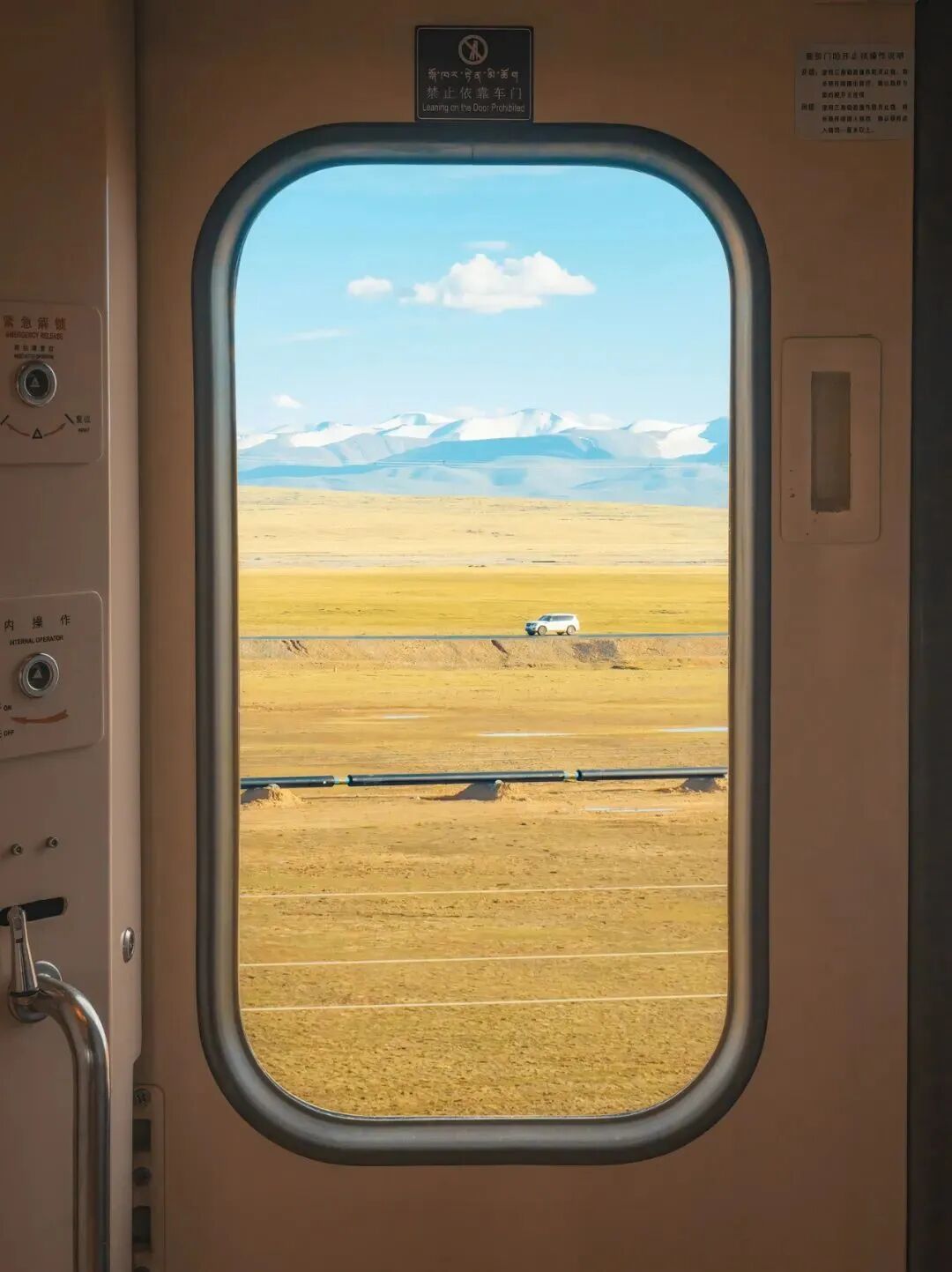
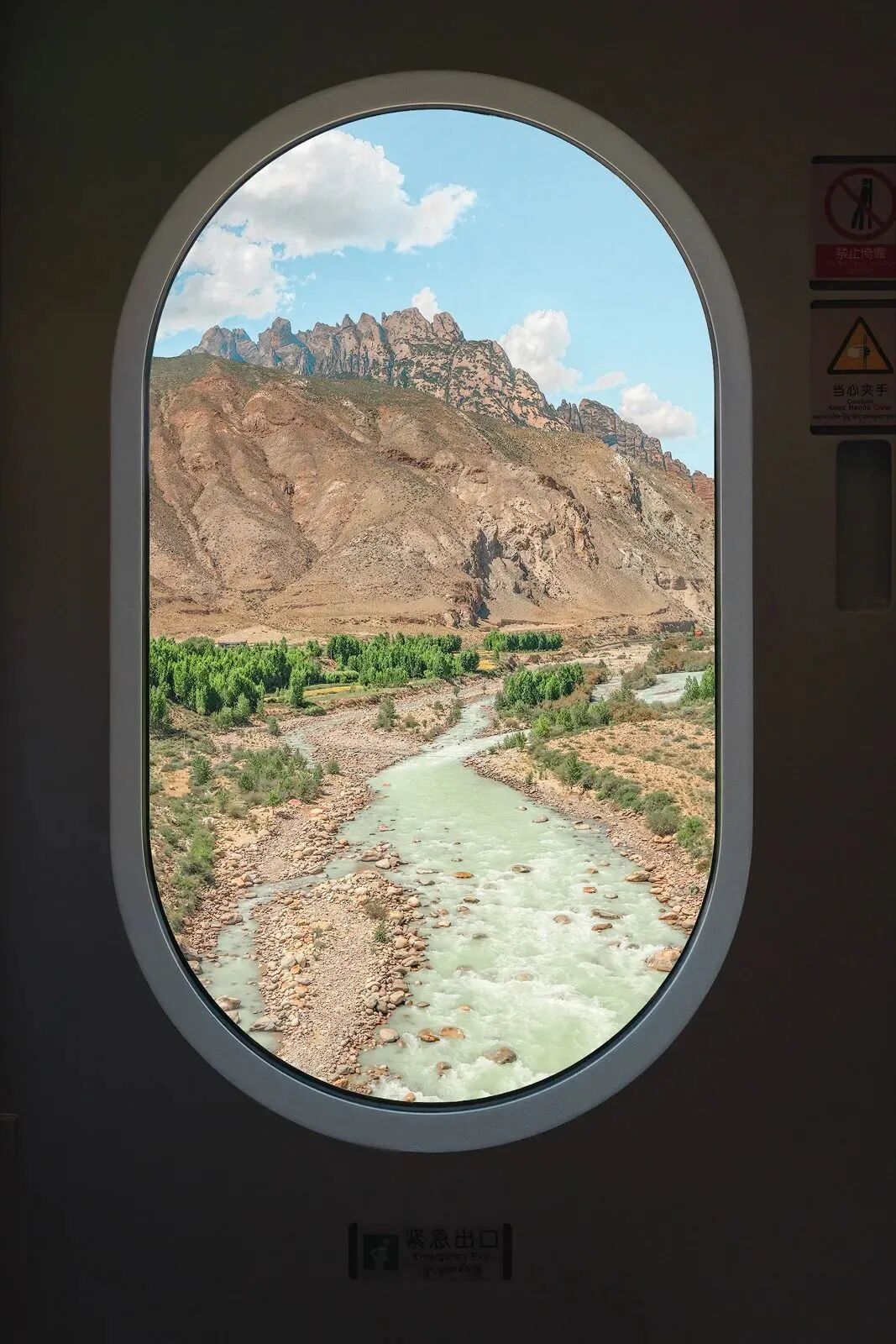
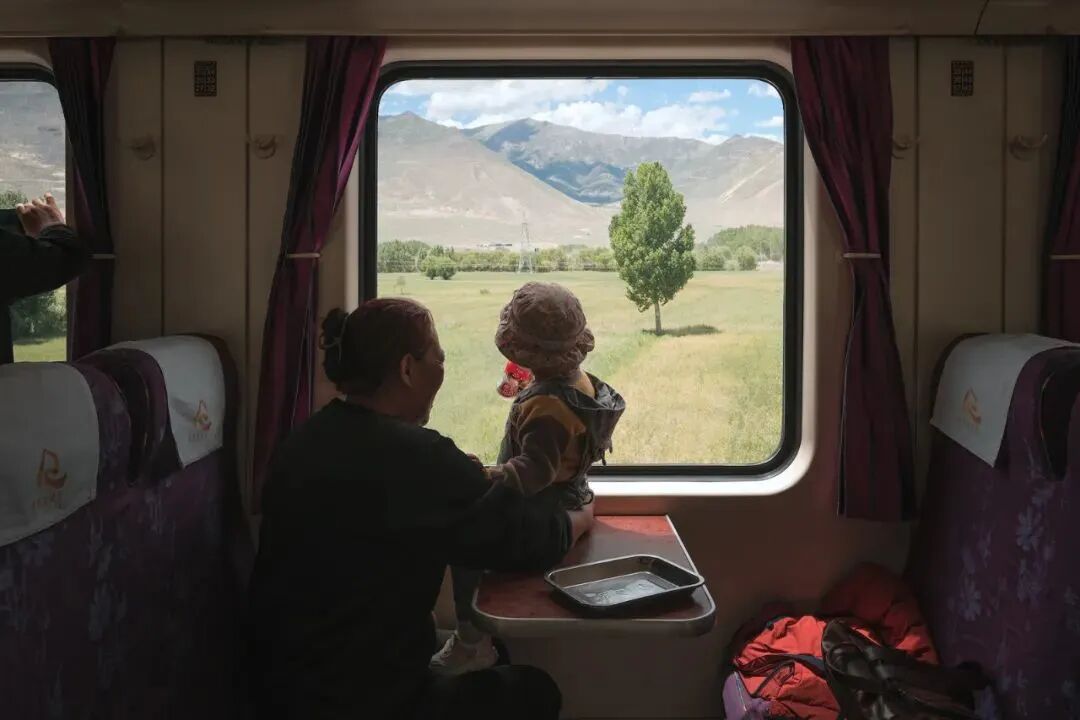
Super Wide & Big Window
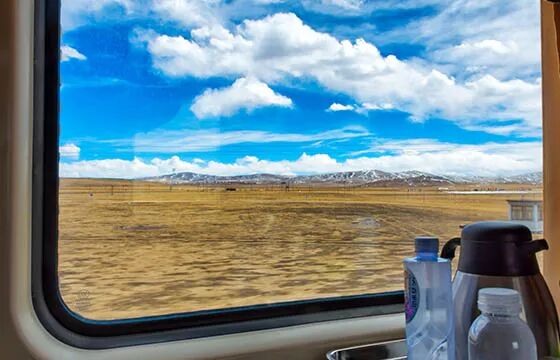
The windows all install pressure equalizers to maintain the impermeability and insulation performance which possibly caused the distortion. The window interlayers are equipped with ultraviolet-proof diaphragms.
Oxygen Supply
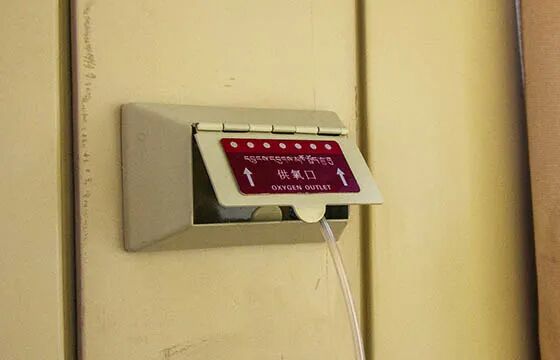
There are diffuse oxygen supply systems on the top of each carriage and oxygen outlets under each seat and sleeper and in the corridor and between the cars. You can inhale oxygen conveniently to alleviate the effects of the altitude rising.
Medical Care

All Tibet trains equip doctors and nurses for emergency. When entering Tibet, every passenger need to fill in a Health Registration Card and take temperature. Medical aid stations are set up in Amdo and Nagqu. Please ask for help if you fell uncomfortable.
Dining

You can go to the dining car, order and eat in the “restaurant” on a big table and siting on a soft couch or buy a set meal (packed meal) when the staff pushing the dining car during the meal time.
Toilet

There are western style toilets and squat-toilets on the Tibet Train. The toilet is available during your entire train trip. Rest assured that trash compactors and centralized processing are used to protect the environment.
How to Get the Train Ticket


You might like to see some tours to Tibet


to add our expert travel consultant.

Wechat/What's App/Phone: +86 15347723823
E-mail: booking@chinawondertours.com

China Wonder Tour is a premier travel agency dedicated to unlocking the marvels of China for global explorers
subcribe our official account to get more travel info on daily basis



